M5.7 earthquake in Shizuoka, Japan: JMA says watch for shindo 5+ shaking for about a week. What travelers using Nagoya, Chubu Airport and the Tokaido Shinkansen should check (Nov 8)
TripX Verified · 3 sources · checked 2026-11-08Product cards in this guide are part of Trip.com activities, and we receive a commission on purchases. Disclosure
Key points
- A magnitude 5.7 quake struck western Shizuoka at about 1:04 a.m. on November 8, with upper 5 (5+) intensity in Chita, Aichi, and no tsunami risk.
- JMA urged people in strongly shaken areas to watch for quakes of up to upper 5 (5+) for about a week, especially larger ones in the first 2 to 3 days.
- If you use Nagoya, Chubu Centrair or the Tokaido Shinkansen, check the latest service notices, and watch for landslides on rainy days.
In this guide
At about 1:04 a.m. on November 8 (local time, the same as Korea), a magnitude 5.7 (provisional) earthquake struck western Shizuoka Prefecture, Japan. It was 41km deep, and the strongest shaking, upper 5 (5+) on Japan's shindo scale, was recorded in Chita, Aichi Prefecture, with lower 5 (5-) to 1 observed from Kanto to the Chugoku and Shikoku regions. The Japan Meteorological Agency (JMA) said there is no tsunami risk from this quake.
We checked two JMA press releases from the same day directly (the quake overview and outlook, and provisional landslide warning criteria) and added injury and rail details from a Hankyung Business report (Nov 8) citing JMA, NHK and Nagoya TV. Rail conditions change by the hour, so check the operators' notices again just before you set out.
At a glance
| Item | Details |
|---|---|
| When and where | About 1:04 a.m., Nov 8, western Shizuoka |
| Magnitude and depth | 5.7, 41km (provisional) |
| Maximum intensity | Upper 5 (5+) in Chita, Aichi |
| Tsunami | No risk |
| Caution period | About 1 week, especially 2 to 3 days |
| Landslide criteria | Chita: lowered to eight-tenths of the normal level |
What was announced
JMA said that in past cases a quake of similar size followed a large earthquake in one or two out of every ten cases, so people in areas that shook strongly should watch for quakes of up to upper 5 (5+) intensity for about 1 week. It added that larger quakes often occur in the first 2 to 3 days.
The quake occurred inside the assumed source area of a Nankai Trough earthquake, but JMA said a quake of this size does not indicate any particular change in coupling along the plate boundary. It also warned that rockfalls and slope failures are more likely where shaking was strong, so people should pay close attention to further quakes and rain.
What you may need at this step

Seoul → Busan by train: what is the timetable?
See this route’s timetable→This post is part of Trip.com activities, and we receive a commission on purchases.
↗ Opens on the seller’s site
Who this applies to
It matters most if you are in or heading to Nagoya, Aichi Prefecture, western Shizuoka (such as Hamamatsu), or southern Gifu and Nagano. Hankyung Business reported that, according to an NHK tally, at least 12 people were injured in Aichi as of 6:30 a.m. on November 8.
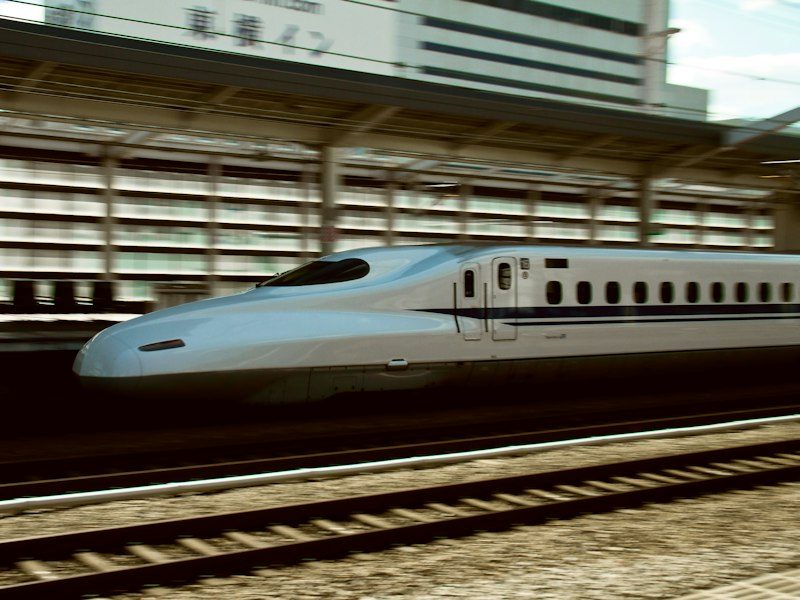
Transport was affected too. According to the same report, JR Central ran some Tokaido Shinkansen sections between Shizuoka and Gifu-Hashima stations at reduced speed and expected delays of up to about 60 minutes in both directions from the first trains, and Meitetsu, which links Nagoya and Chubu Centrair International Airport, halted several lines for safety checks, with part of the Airport Line not running as of 7:05 a.m. These figures reflect reports from the morning of November 8.
Take extra care when it rains
JMA and Japan's land ministry said the ground in Chita, Aichi, is likely weakened, so for the time being they will issue Level 4 landslide danger warnings, Level 3 landslide warnings and Level 2 landslide advisories using provisional criteria lowered to eight-tenths of the normal level. In other words, warnings may come sooner than usual even with modest rain.
If you plan to walk mountain trails or roads near cliffs, or visit hot springs or nature spots in the area, it is safer to change plans or stay in town on days with rain in the forecast.
What to do on the ground
When you reach your accommodation, check the emergency exits and evacuation route first, and keep your phone and shoes within reach at night. Upper 5 (5+) shaking can topple unsecured furniture, so avoid stacking heavy bags around your bed.
Reports note that the Japan National Tourism Organization's (JNTO) Safety tips app delivers disaster alerts in Korean (and other languages), and that JNTO's 24-hour visitor hotline offers help in Korean. On the day you fly out of Chubu Centrair, check not only your flight but also the Meitetsu Airport Line and other ways to get to the airport.
Pre-departure checklist
My pre-departure checklist
Ticks are saved only in this browser on this device and are never sent anywhere. For reference · sources as of 2026-11-08 · confirm with official guidance
Try it yourself
Check your situation
For reference · sources as of 2026-11-08 · confirm with official guidance
Three-question quiz
For reference · sources as of 2026-11-08 · confirm with official guidance
Travel prep related to this guide
Affiliate products picked separately from the guide above. Check options and terms on the seller’s page.
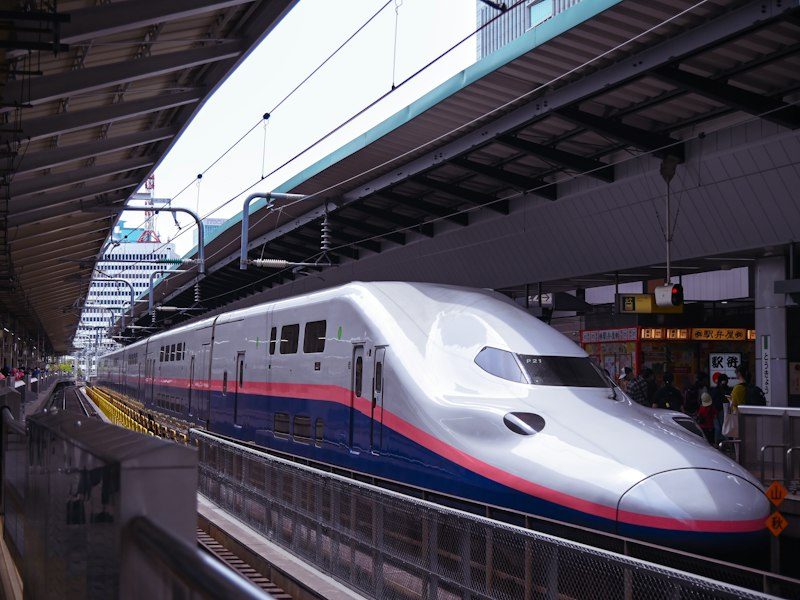
Trains in Japan: which route would you ride?
See train timetables→This post is part of Trip.com activities, and we receive a commission on purchases.
↗ Opens on the seller’s site
Trains in Europe: which route would you ride?
See train timetables→This post is part of Trip.com activities, and we receive a commission on purchases.
↗ Opens on the seller’s site
Trains in Europe: which route would you ride?
See train timetables→This post is part of Trip.com activities, and we receive a commission on purchases.
↗ Opens on the seller’s site
Frequently asked questions
Is it OK to travel to Japan after the Shizuoka earthquake?
There is no announcement restricting travel, but extra caution is advised for about a week. JMA asked people in strongly shaken areas to watch for quakes of up to upper 5 (5+), so check the latest quake information and transport notices before deciding.
Is this quake linked to a major Nankai Trough earthquake?
JMA said it does not indicate a particular change. The quake occurred inside the assumed source area, but JMA said a quake of this size does not signal a special change in plate-boundary coupling.
Can I get earthquake alerts in Korean?
Yes. Reports say JNTO's Safety tips app sends disaster alerts such as earthquakes and tsunamis in Korean.
Travel safety & money helper: local emergency numbers and a currency converter →
Value travel guide: local drugstores, Bib Gourmand picks and souvenirs →
Sources
- Official sourceJapan Meteorological Agency press release (Nov 8, 2026; on the western Shizuoka earthquake at about 01:04, in Japanese)published
- Official sourceJapan Meteorological Agency and MLIT press release (Nov 8, 2026; provisional landslide warning criteria after the western Shizuoka earthquake, in Japanese)published
- News report (supporting)Hankyung Business (Nov 8, 2026; citing JMA, NHK and Nagoya TV on the M5.7 Shizuoka quake and transport, in Korean)published
Source mix: Official source 2, News report (supporting) 1 · how we rank sources
Checked on
This guide is Global TripX’s summary of the information published in the sources above. It is not a first-hand review, and rules and schedules can change, so check official guidance again before you travel.
TripX Verified: the date we matched the facts in this guide against the original sources below. Rules can change.